2026 Best Diaphragm Seal Types for Global Buyers
Choosing the right diaphragm seals in 2026 requires more than comparing catalogs or selecting the lowest quoted price. Global buyers must examine process temperature, pressure cycles, corrosive media, hygiene requirements, response time, and maintenance access. A seal facing hot steam may need a different diaphragm material than one measuring a sticky pharmaceutical fluid. Even a small capillary tube can affect accuracy when installation conditions change.
“Diaphragm seal performance begins with understanding the process, not the instrument,” says David H. Smith, an independent process-instrumentation engineer with experience in pressure measurement systems. His view reflects a practical reality: the best diaphragm seal is rarely universal. It must match the pressure transmitter, connection type, fill fluid, diaphragm alloy, and operating environment.
This guide reviews the 2026 best diaphragm seal types for global buyers. It compares flush-mounted, threaded, flanged, sanitary, remote, and high-temperature designs. Each section considers measurable performance, service life, cleaning demands, and installation risks. Stainless steel may suit many applications, but it is not automatically the safest choice. Hastelloy, tantalum, PTFE coatings, or specialized ceramics may perform better against aggressive media. The awkward truth is that product tables cannot show every field problem. Dead legs, clogged impulse lines, thermal shocks, and incorrect torque still cause failures. Buyers should question assumptions, verify compatibility, and request test data before approving a final specification. A reliable choice protects measurement quality, equipment uptime, and long-term operating costs.
What Is a Diaphragm Seal and How Does It Work?
2026 Best Diaphragm Seal Types for Global Buyers
What Is a Diaphragm Seal and How Does It Work?
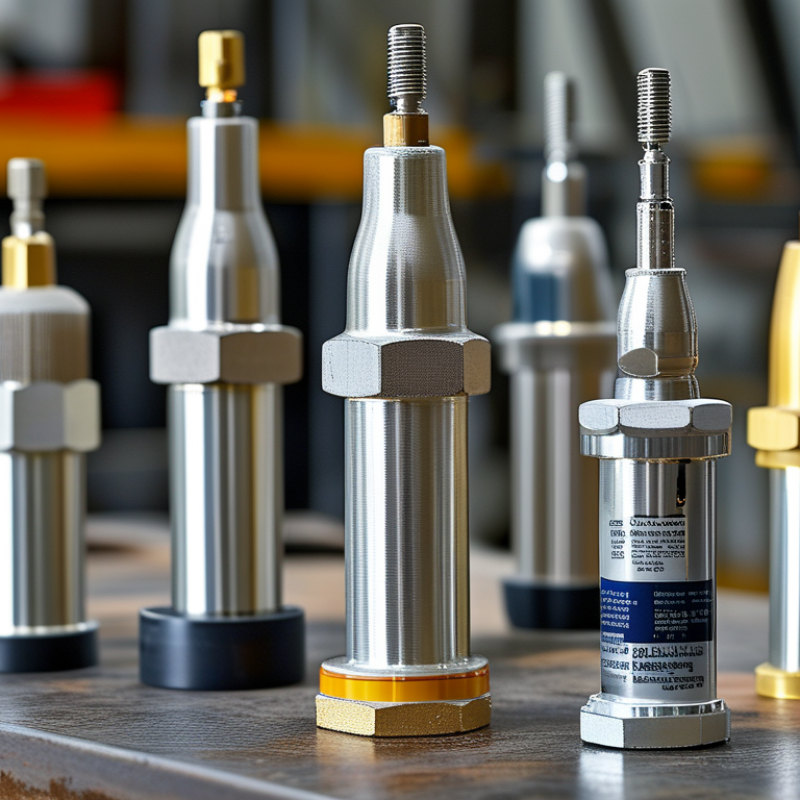
A diaphragm seal separates a pressure instrument from the process fluid. It uses a thin, flexible membrane, often made from corrosion-resistant metal. Process pressure moves the diaphragm slightly. A sealed fill fluid then transfers that movement to the instrument. The instrument converts this pressure into a readable value.
This design protects gauges and transmitters from corrosive, viscous, hot, or contaminated media. Common options include threaded seals, flush-mounted seals, sanitary seals, and remote seals. Flush designs reduce buildup around the process connection. Sanitary versions support cleaner pipelines and easier washing. Remote seals suit high-temperature vessels or locations with limited access. In field work, correct selection depends on temperature, pressure, fluid chemistry, and response speed. A seal may look suitable on paper, yet perform poorly after installation.
Tips: Confirm the diaphragm material with the actual process fluid. Check the fill fluid’s temperature range, too. Keep impulse lines short when fast response matters. Avoid overtightening the connection, because distortion can affect accuracy. Calibration should be checked after installation and during scheduled maintenance. I have found that mounting position is often underestimated. Even a small height difference can influence readings. No selection is perfect for every process. Reviewing real operating conditions prevents expensive assumptions.
Which Diaphragm Seal Types Are Available in 2026?
In 2026, global buyers can choose from several diaphragm seal types for pressure measurement. Threaded diaphragm seals suit compact equipment and moderate process conditions. Flanged seals support larger pipelines, higher pressures, and easier maintenance. Flush-mounted seals reduce dead zones in tanks and vessels. They work well with viscous fluids, slurries, and materials that may crystallize.
Extended diaphragm seals place the sensing membrane away from hot, cold, or corrosive media. This design protects the measuring instrument when direct contact could cause damage. Remote diaphragm seals use capillaries and filling fluid to connect distant process points. They are useful on reactors, storage tanks, and high-temperature lines. Sanitary clamp seals provide smooth surfaces for food, beverage, and pharmaceutical systems. Small gaps matter here.
Material selection remains critical. Stainless steel covers many general applications, while special alloys may handle stronger chemical exposure. The diaphragm coating, fill fluid, gasket, and process connection must also match the application. A seal can appear suitable but fail after repeated temperature cycles. That detail is often underestimated.
Experienced engineers usually check pressure range, operating temperature, vacuum conditions, cleaning method, and response time together. Installation affects accuracy too. Long capillaries may slow readings and increase temperature error. I have seen specifications focus heavily on corrosion resistance while ignoring mounting position. That is not a perfect selection process. Clear process data and verified operating records produce more dependable results.
2026 Best Diaphragm Seal Types for Global Buyers - Which Diaphragm Seal Types Are Available in 2026?
The chart compares representative maximum pressure capabilities commonly available for major diaphragm seal configurations. Actual ratings depend on flange class, process connection size, diaphragm material, temperature, and manufacturer design.
Threaded and flanged seals are widely used for general industrial pressure measurement. Sanitary seals are designed for hygienic processing and typically operate at lower pressures, while extended and weld-seal designs are selected for high-temperature, corrosive, vacuum, or difficult-access applications.
How to Compare Diaphragm Seal Materials and Designs
2026 Best Diaphragm Seal Types for Global Buyers
How to Compare Diaphragm Seal Materials and Designs
Choosing a diaphragm seal starts with the process, not the catalog photograph. I compare media compatibility, temperature, pressure, viscosity, and required measurement accuracy. Stainless steel suits many general services, while alloys may handle chlorides, acids, or severe chemical exposure better. PTFE-lined designs can resist aggressive media, but temperature limits and mechanical strength need careful review. Small details matter. A diaphragm that survives the fluid may still respond slowly because of its stiffness or fill volume.
Design affects performance as much as material. Welded seals usually reduce leakage paths and support demanding pressure applications. Flanged designs simplify installation and cleaning, especially on process lines with frequent maintenance. Flush diaphragms help prevent clogging when measuring slurry, crystallizing liquids, or sticky products. Remote seals can protect instruments from heat, but long capillaries may increase response time. In field inspections, I have seen incorrect gasket dimensions create problems despite an excellent seal material. This is easy to overlook.
Tips: Match every wetted part with the actual process chemistry. Check pressure and temperature together, not separately. Confirm flange standards, diaphragm movement, and capillary length before ordering. Keep records. A perfect selection is rarely possible; real systems involve trade-offs between speed, durability, cleanability, and cost. Review the decision with an experienced engineer when the process changes or operating data remains uncertain.
Which Diaphragm Seal Fits Different Industrial Applications?
2026 Best Diaphragm Seal Types for Global Buyers
Which Diaphragm Seal Fits Different Industrial Applications?
Selecting a diaphragm seal starts with the process medium, not the instrument connection. Corrosive acids often require fluoropolymer or alloy diaphragms with strong chemical resistance. Flush seals suit wastewater tanks, slurry lines, and liquids containing suspended solids. Their smooth face reduces buildup around the pressure port. Threaded seals work well on compact equipment, but they may be difficult to remove after heavy corrosion.
High-temperature systems need careful distance from the process. A remote seal with capillary tubing can protect the transmitter from hot oil, steam condensate, or molten materials. However, longer capillaries can slow pressure response and increase installation errors. Keep both capillaries supported and avoid sharp bends. Small details matter.
Sanitary clamp seals fit beverage, dairy, and pharmaceutical process lines. They use polished surfaces that support routine cleaning and reduce contamination risks. For crystallizing brine or thick syrup, a larger flush diaphragm may prevent blockage better than a narrow connection. Vacuum service demands another review. Some diaphragm seals deform when the fill fluid, temperature, and pressure range are poorly matched. Selection records should include process temperature, pressure, cleaning method, diaphragm material, and required response time. The choice is not always obvious. Field data should challenge the first assumption.
What Should Global Buyers Check Before Choosing a Supplier?
Choosing the best diaphragm seal starts with checking the supplier, not the catalogue. A 2024 global pressure-sensor market report values the sector at roughly USD 15 billion, with annual growth near 8%. However, that figure includes many sensor technologies. It should not be treated as diaphragm-seal data.
Ask for material certificates, weld inspection records, calibration results, and traceable serial numbers. For corrosive media, confirm the diaphragm alloy and coating compatibility. For sanitary service, check surface finish, dead-leg design, and documented cleaning procedures. Temperature limits also matter. A long capillary may protect the instrument, but it can slow response and increase installation errors.
Look beyond price.
Suppliers should explain whether a welded, flanged, threaded, or sanitary seal fits the process. They should provide pressure, temperature, fill-fluid, and vacuum limits in writing. ISO 9001 certification is useful, but certification alone does not prove technical competence. The supplier should also demonstrate batch control and corrective-action records. Industry quality reports repeatedly identify traceability and supplier consistency as major reliability factors. Still, reports often describe broad process industries, not one exact application. That limitation deserves attention. A perfect-looking specification can hide poor field support. Check spare-part lead times, regional service coverage, and technical response hours before placing an order. Request a sample inspection. It may reveal rough welds, unclear markings, or missing documents.