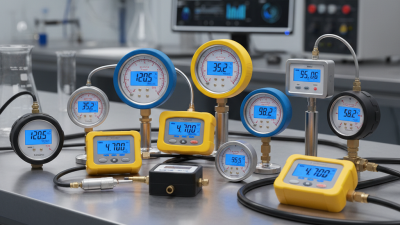
What Are the Top Home Power Generation Options?
Choosing the right home power generation system is no longer a niche decision. It affects household costs, comfort, resilience, and carbon emissions. Solar panels, small wind turbines, micro-hydropower, fuel cells, and battery-supported hybrid systems each solve different problems. The best option depends on local sunlight, wind speed, water access, roof condition, energy demand, and installation limits.
Amory Lovins, cofounder of the Rocky Mountain Institute, has often emphasized, “The cheapest energy is the energy you don’t use.” That principle should guide every home power generation plan. A highly efficient house may need a smaller solar array and battery bank. An inefficient home may waste money generating power that escapes through thin walls and old windows. It sounds obvious.
Real-world decisions require more than comparing equipment prices. A rooftop system may produce excellent output at noon, but evening cooking and heating can create a difficult gap. Batteries improve flexibility, yet their cost, lifespan, maintenance, and recycling deserve careful review. Wind power can perform well in exposed rural locations, but trees, turbulence, permits, and noise may reduce its value. Micro-hydropower offers steady production, though suitable flowing water is uncommon.
Reliable planning also means checking installer qualifications, warranty terms, grid rules, insurance requirements, and long-term service availability. Energy bills should be measured across seasons, not guessed from one sunny month. I have seen homeowners focus on maximum generation and overlook emergency loads, such as refrigeration, medical devices, or well pumps. That is a mistake worth admitting. A practical system should match real household behavior, not an idealized spreadsheet.
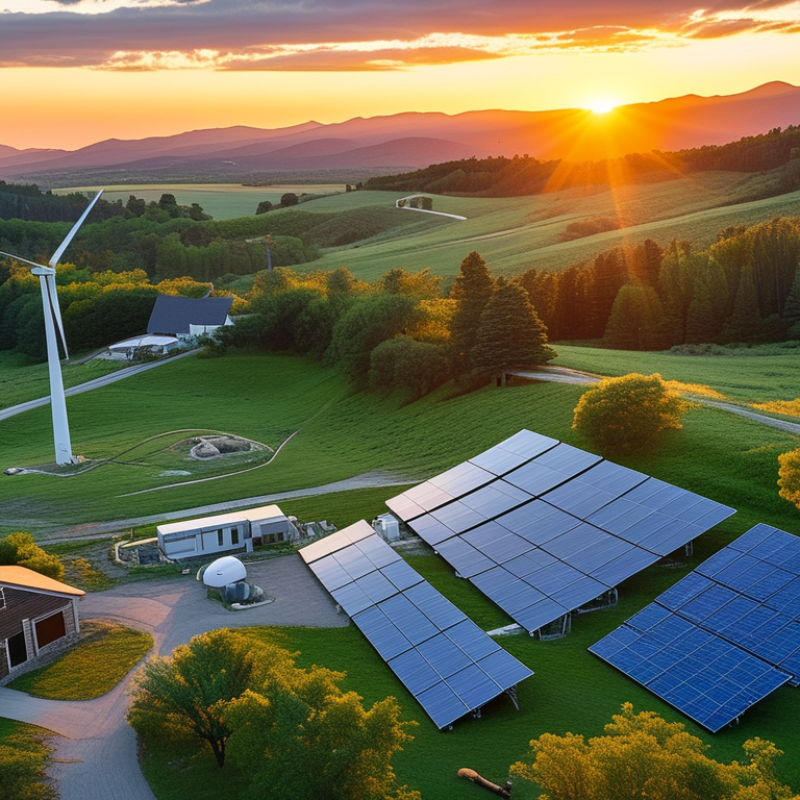
What Is Home Power Generation and How Does It Work?
Home power generation means producing electricity where it is used, rather than relying entirely on the public grid. Most systems use solar panels, small wind turbines, micro-hydropower, or fuel-powered generators. A battery can store extra electricity for nighttime or outages.
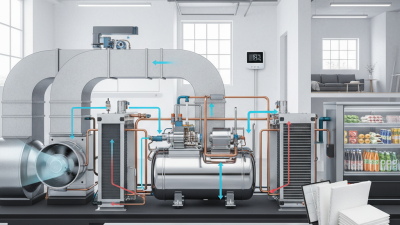
Solar panels convert sunlight into direct-current electricity. An inverter changes it into alternating current for household appliances. Wind and water systems work differently, but they also drive a generator to produce electricity. Batteries manage timing, not production. They save energy for later use. A qualified electrician should inspect wiring, grounding, ventilation, and connection requirements. Small mistakes can create heat, shock, or fire risks. No option is perfect.
Tips: Check your daily energy use before buying equipment. Review winter sunlight, wind strength, water flow, and local weather records. Keep essential loads separate, such as refrigerators, medical equipment, and lights. A battery may improve reliability, but it also adds cost and maintenance. Fuel generators can provide strong backup power, yet they require safe outdoor placement and regular testing. Never operate one indoors or near open windows. I would also question unusually optimistic performance claims. Real output changes with shade, dust, temperature, and maintenance. A professional site assessment may feel unnecessary, but it often prevents expensive redesigns.
Top Home Power Generation Options
Estimated annual electricity generation from a 5 kW home power system
Home power generation converts local energy resources into electricity through technologies such as solar photovoltaic panels, small wind turbines, micro-hydropower systems, biomass generators, and fuel cells. The estimates use a 5 kW rated system and representative capacity factors: annual output equals 5 kW × 8,760 hours × capacity factor. Actual results depend on sunlight, wind speed, water flow, fuel availability, maintenance, and local regulations.
What Are the Main Types of Home Power Generation Systems?
What Are the Main Types of Home Power Generation Systems?
Home power generation usually falls into four categories: solar photovoltaic, wind, micro-hydropower, and fuel-based generators. Solar panels are the most adaptable option for many homes. They work quietly on rooftops or ground racks and can charge batteries for evening use. Battery storage improves resilience, but it adds cost, weight, and maintenance. It is not magic. Cloudy weather still matters.
Wind turbines can produce useful electricity on open, consistently windy land. However, nearby trees, buildings, turbulence, and local height limits can reduce performance.
Micro-hydropower may deliver steadier output when a property has a suitable stream and reliable water flow. It requires careful surveys, permits, screening, and environmental review.
Fuel-based generators can provide strong backup power during outages, yet they need ventilation, fuel storage, testing, and safe electrical transfer equipment. A licensed electrician should connect any system to household wiring.
Tips: Measure your daily electricity use before choosing equipment. Review winter sunlight, wind speed, water flow, and outage patterns. Ask for written production estimates, maintenance schedules, and safety documents. Do not size a system from one sunny week. I once underestimated battery losses during cold weather; that mistake changed the design. Small details matter. Also check local building codes and utility rules, because a technically sound system may still need approval before operation.
How Do Solar, Wind, Hydropower, and Fuel Generators Compare?
Solar is usually the most practical home generation option because rooftops are widely available. The International Energy Agency reported that solar photovoltaics supplied about three-quarters of global renewable capacity additions in 2023. That growth does not guarantee equal household performance. Shade, roof angle, snow, and seasonal sunlight can reduce output sharply. Solar is quiet. Batteries improve night-time resilience, but they add cost, weight, and replacement planning.
Small wind systems need more than a windy afternoon. They require steady wind, clear exposure, tower height, and careful maintenance. The U.S. Department of Energy identifies average annual wind speed and turbulence as critical site factors. In dense neighborhoods, turbulence can make production disappointing. Hydropower can deliver steadier electricity where a suitable stream and legal water access exist. However, most homes lack enough flow and elevation. NREL’s life-cycle assessment estimates median emissions near 11 grams of CO2-equivalent per kilowatt-hour for wind, 40 for solar, and 24 for hydropower.
Fuel generators remain useful during long outages and cloudy weather. They can start quickly, but fuel storage, noise, ventilation, and servicing require discipline. NREL estimates natural-gas electricity at roughly 486 grams of CO2-equivalent per kilowatt-hour, far above renewable sources. Portable units may also fail when fuel becomes unavailable. Data from utility-scale projects cannot perfectly predict rooftop or backyard results. That is an important weakness. A shaded roof, weak stream, or turbulent yard can overturn the spreadsheet. A professional site assessment is still worth the expense.
How Can You Install, Maintain, and Safely Use a Home Generator?
Choosing a home generator is only part of the decision. Safe installation matters more than impressive output numbers. Begin with a load assessment for refrigerators, medical equipment, lights, pumps, and heating systems. A qualified electrician should install a transfer switch and confirm the wiring meets local codes. Never connect a generator directly to a wall outlet. That can send electricity into the grid and seriously injure workers.
Place the generator outdoors, far from doors, windows, and vents. Keep it on a dry, level surface with clear airflow. Carbon monoxide is invisible and odorless, so install working detectors inside the home. Store fuel only in approved containers, away from heat and ignition sources. Keep children and pets away from hot surfaces. Small details matter.
Tips:
Test the generator monthly under a moderate load. Inspect oil, cables, plugs, batteries, and fuel lines before use. Follow the maintenance schedule, even when the machine looks clean. During an outage, start essential circuits gradually. Avoid running every appliance at once. I have seen homeowners underestimate starting surges from pumps and refrigerators. That mistake can trip protection systems or damage equipment. Record service dates in a simple notebook. It is easy to forget. If the generator behaves strangely, smells unusual, or produces unstable power, shut it down and request professional inspection. DIY repairs sometimes save money, but poor repairs create larger risks.